






Once considered a solitary indulgence, betting has shifted into something far more structural. It is no longer confined to back rooms, horse tracks, or secret slips. Instead, it’s embedded into public behavior, translated through apps and reinforced by constant connectivity. The personal gamble has become a shared rhythm.
Platforms like 22Bet casino have normalized this integration. What was once a marginal activity now plays out through sleek interfaces, low barriers, and optimized prompts. Betting is no longer a departure from everyday life—it mirrors its pace and structure.
This is not the rise of a vice. It is the redesign of habit.
The Platform as Social Mirror
Modern betting apps do not merely facilitate transactions; they model participation. Social bets, live leaderboards, shared outcomes—these features turn risk into a performance. The user isn’t simply wagering money. They are engaging in a semi-public ritual, tracked, recorded, and echoed across digital networks.
The interface does not isolate. It connects. It replaces the bookmaker with an algorithm and the crowd with metrics. Visibility becomes part of the appeal. Wins can be posted. Losses, softened by streaks or badges. Betting enters the domain of gamified identity.
What emerges is less about luck and more about status through interaction.
Ubiquity of Minor Stakes
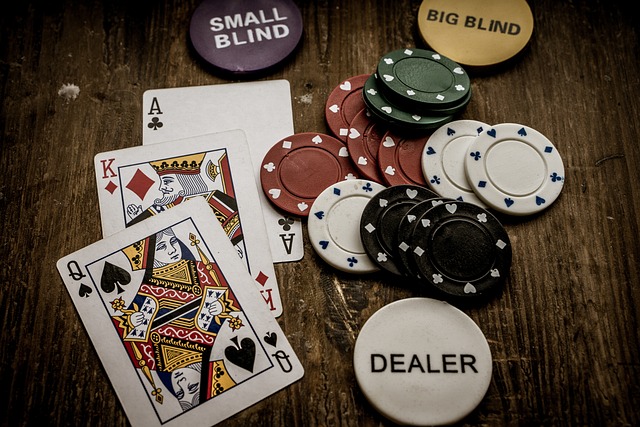
The most notable shift isn’t in how people bet, but how often and how trivially. Micro-bets on corners, points, or individual events lower the psychic cost of participation. The risk feels small. But in volume, these decisions become habitual—less calculated and more reflexive.
This frequency isn’t just a feature; it’s a mechanism. By multiplying decisions, the system blurs the meaning of each. There’s no grand gesture—just ongoing micro-engagement. It feels casual, but it’s persistent.
The bet, once sacred or superstitious, is now ambient.
Risk Reframed as Presence
Today’s betting is not only about predicting outcomes—it’s about being part of the event. Placing a wager becomes a way of anchoring attention, of transforming passive viewing into active participation. To bet is to be present, invested, even when the odds are thin.
This reframing changes motivation. Users don’t need certainty. They need relevance. The bet is less a challenge to the unknown, more a method for staying inside the moment.
In this frame, winning is secondary. What matters is involvement.
Frictionless Access and Invisible Discipline

With cashless systems, automated deposits, and in-app navigation, platforms reduce all resistance. Friction is not just removed—it is replaced with momentum. Users scroll, tap, confirm. Risk becomes movement, and movement becomes routine.
But this frictionless design is not neutral. It disciplines behavior gently but persistently. Bets are not shouted—they’re whispered, embedded in the scroll, reinforced by odds updates, match alerts, and interface cues.
What seems like freedom is often choreographed motion.
Betting Without Exit Points
Unlike traditional games with beginnings and ends, digital betting never clearly stops. There is always another event, another market, another chance to recover or extend. The system doesn’t close—it refreshes.
This continuity removes finality. Users don’t “walk away” from a session. They drift. Time blurs. The activity remains open-ended by design, discouraging interruption and softening resolution.
To log off feels premature. There’s always one more line, one more outcome still unfolding.